

A 2 Hour Deep Dive

The Power of the Pinch

with Susi Hately, BSc. Kin, C-IAYT Yoga Therapist

Blending Therapeutic Biomechanics and Yoga Therapy to help you and your clients open jars and bottles, turn keys and doorknobs, knit, crochet, hold a coffee mug with more strength, power and less pain.

Date & Time:

Live Online – October 14 10 AM – 12 PM MDT 

Details:

Length: 2 Hours (replay available)
Price: $29 – CEUs by request

The power of the pinch is in what the pinch does for us in our day to day lives.

Losing the ability to pinch isn’t just frustrating, it can question the confidence you have in your own hands.

Often it begins with a small injury - overworking your hands. Your hand is sore, and day-to-day activities are impacted. So naturally, you adapt:

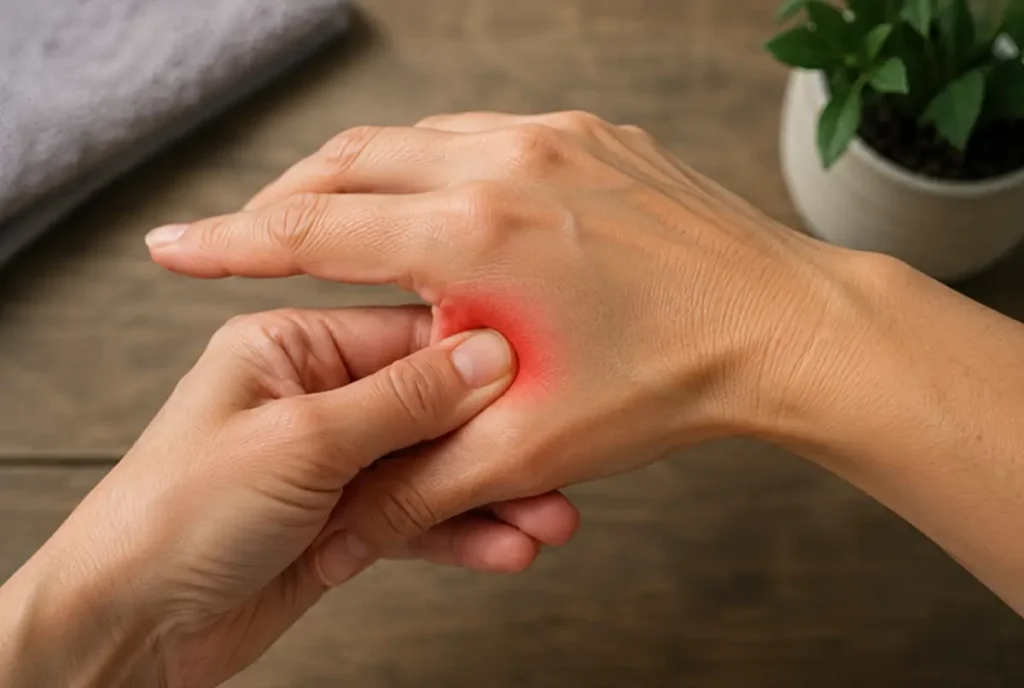
But then you notice yourself massaging that tender spot between your thumb and index finger more often without relief.

When you stretch your fingers or wrists, the relief isn’t really there anymore. You begin to wonder if recovery is non-existent because of age, arthritis, or overuse.

Opening jars gets harder. Lifting small things feels weaker. Buttons feel fiddlier. Turning a key takes more effort.
And what is more – your shoulder, neck, back of your head, and maybe between your shoulder blades are getting sore.
More tender points are showing up.

It's easy to think your grip and pinch are simply getting weaker.
Or that you're just losing strength.
But that isn't the real issue. (And it's solvable).

The Hidden Link: Why Progress Isn’t Happening

Your hand and fingers are not isolated anatomical tools. They are the last stop in a transmission line.

Force doesn’t originate in your fingers.

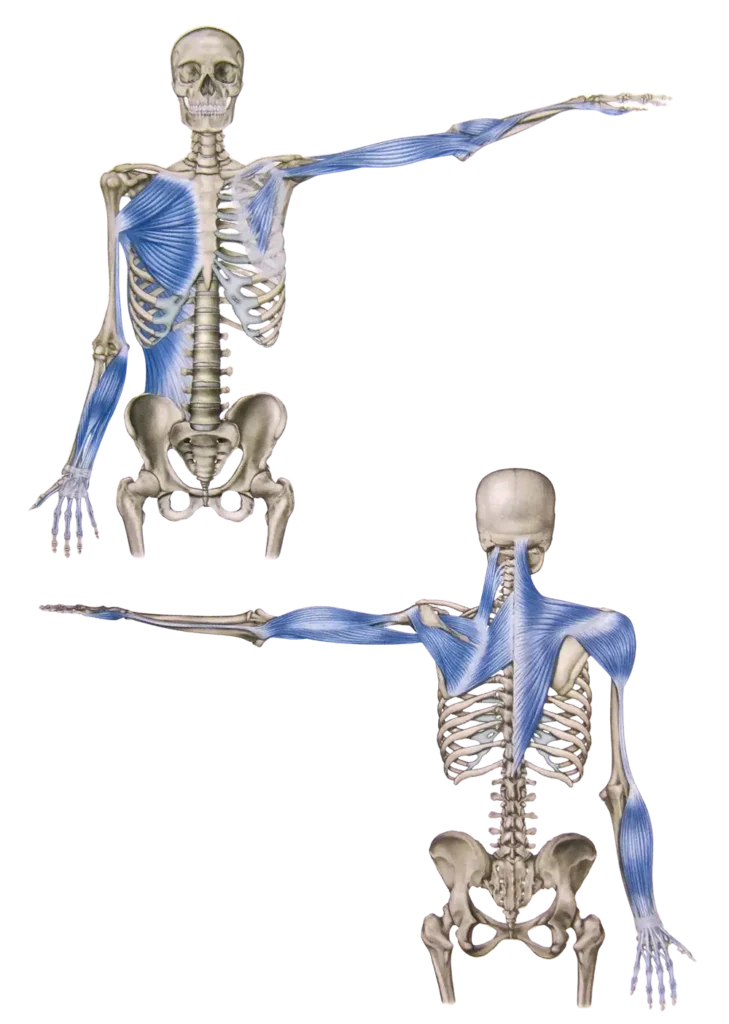
It’s generated by bigger structures and passed down through your neck, rib cage, shoulder blade, shoulder, and elbow before it ever reaches your hand.

Any breakdown in that line, and your fingers may work overtime to make up for what is not happening up the chain.

To unlock better, lasting pinch power and eliminate hand fatigue, you have to look past the fingers. The real breakthrough happens when you restore the entire kinetic chain – from your neck down to your fingertips.

Deep Front Arm Line
Superficial
Front Arm Line
Deep Back Arm Line
Superficial
Back Arm Line
Image Credit: Tom Myers

Meet Your Instructor: Susi Hately

BSc. Kinesiology, C-IAYT Yoga Therapist

I have a BSC. Kinesiology and have been helping people reduce and eradicate pain for over 25 years. I have also been a bridge between the medical world and yoga.

As a young student of yoga, I began to combine the ancient practices of yoga with my BSc. Kinesiology at a Vancouver pain clinic. When I continued to encounter individuals, including yoga instructors, who accepted that their pain was “normal,” I began to explore how yoga was being taught and practiced. By designing therapy programs that utilized sound anatomical principles of kinesiology with the time-honoured practices of gentle yoga, I have enabled people to find pain relief, feel good, and rediscover vitality in their lives.

Two of my programs have been studied at the University of Calgary and both showed benefit for supporting people and their wellbeing. I am also the author and presenter of Power of Pure Movement Series and Therapeutic Yoga For Shoulders and Hips which have helped 1000s of people to reduce and eliminate physical pain.

I have been training teachers and health professionals in yoga therapy since 2001 and am the lead teacher in the highly successful C-IAYT Accredited Functional Synergy Yoga Therapy Program.

What You’ll Learn in This Practical 2 Hour Workshop: Power of the Pinch

Live Online

Life time recording is available for all who register.

You will learn both Why and what - Both the Biomechanics and Exercises

Part 1

Mechanics of Pinch and Grip

Pinch and grip aren’t produced by your hand alone, They’re the end result of coordinated force travelling from your neck to your fingertips.

Part 2

How Your Neck Impacts your Pinch and Grip

The signal that opens and closes your thumb and fingers begins in your neck – not your hand.

Part 3

Part 3: Your Neck and Spine (C6–T1)

The nerves that power your thumb and fingers exit your neck between C6 and T1. The more freely those tissues move, the better the opportunity for the signal to travel to the muscles that create pinch and grip.

Part 4

Your Shoulder, Rib Cage, Shoulder Blade, Forearm and Wrist

Your shoulder blade isn’t fixed – it moves on your rib cage. The quality of that relationship influences how force travels from your trunk into your arm, forearm, wrist, and ultimately your hand. When that relationship is coordinated, force transfers efficiently. When it isn’t, your hand may end up doing more work than it needs to.

To highlight all of these relationships, you will learn movements, exercises, and breath techniques that improve how you move, reduce compensation, and build a more supportive foundation through your rib cage and shoulder blade.

By the end of the training, you will understand why hand strengthening alone doesn’t lead to lasting change, and exactly what supports better pinching and gripping.

Who This Workshop Is For

This is perfect for you if you want to:

Reduce hand and pinch tension and strain.

Understand and reduce the compensatory patterns contributing to pinch issues.

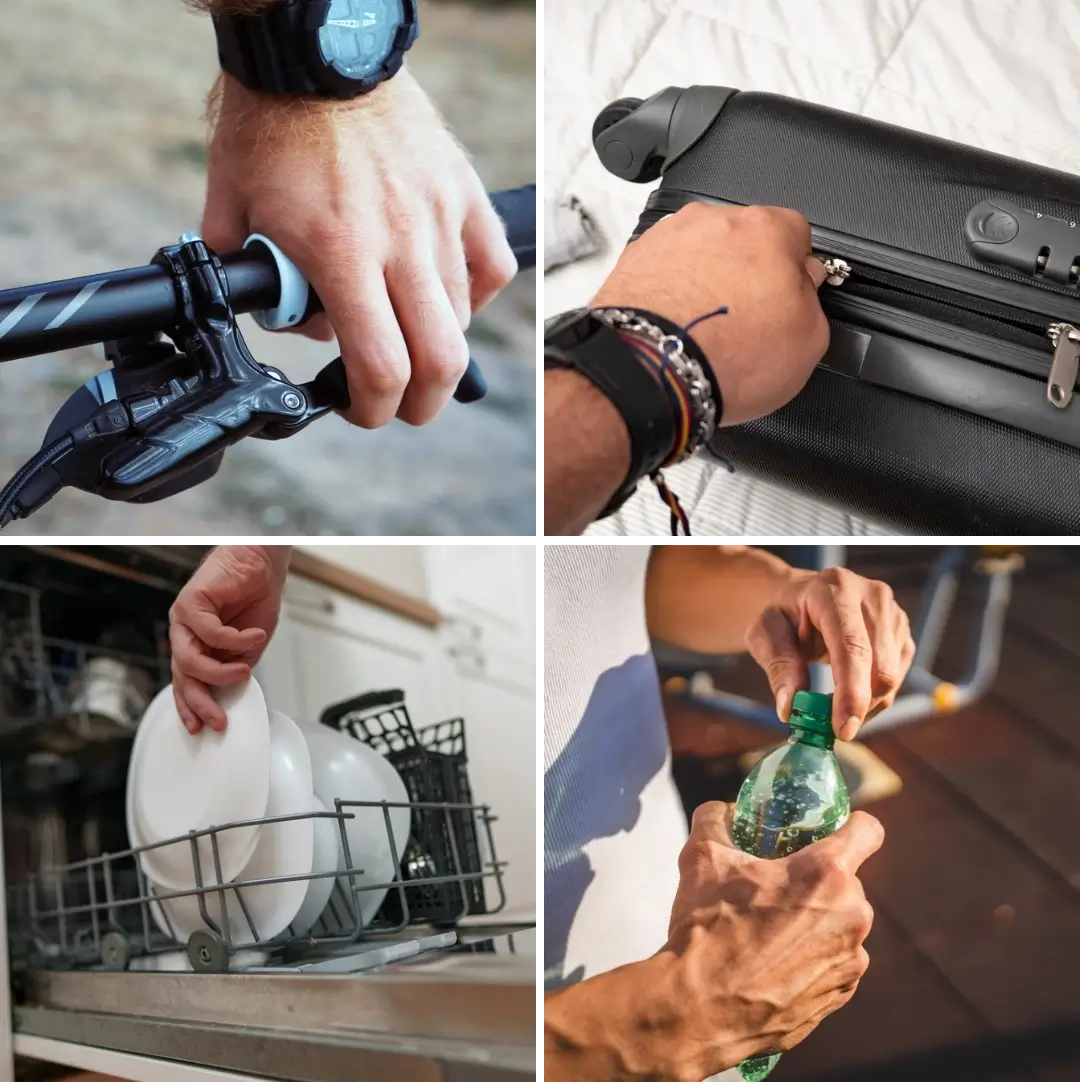
Easily take off water bottle or jar lids, and use your hands for crafting, knitting, quilting, braking on your bike, lifting plates, or zippering a suitcase.

Yoga teachers or yoga therapists: Help your clients have fewer hand and finger issues.

Clinicians: Integrate therapeutic aspects of yoga into your practice.
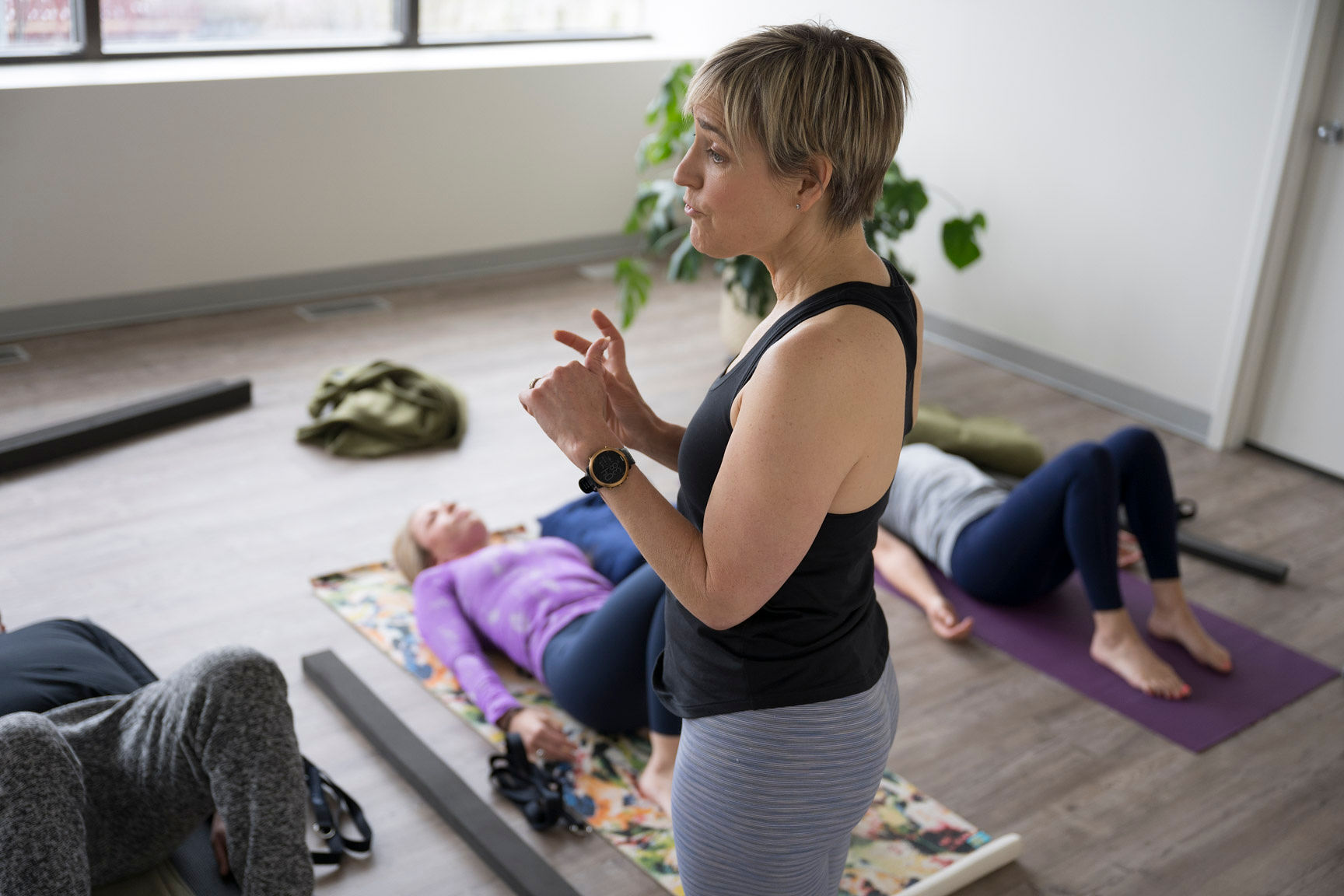
Live Online The program is recorded and everyone who registers has access to the recording for life.

Copyright 2026 Functional Synergy. All Rights Reserved.